Food & nutrition
Indian meal planning for the week you actually have
A practical Indian meal-planning guide for busy weeks: plan three useful meals, build a short shopping list and keep a realistic backup option ready.
Sponsor feature · Simply Nutrition supports Zoomer for Good.
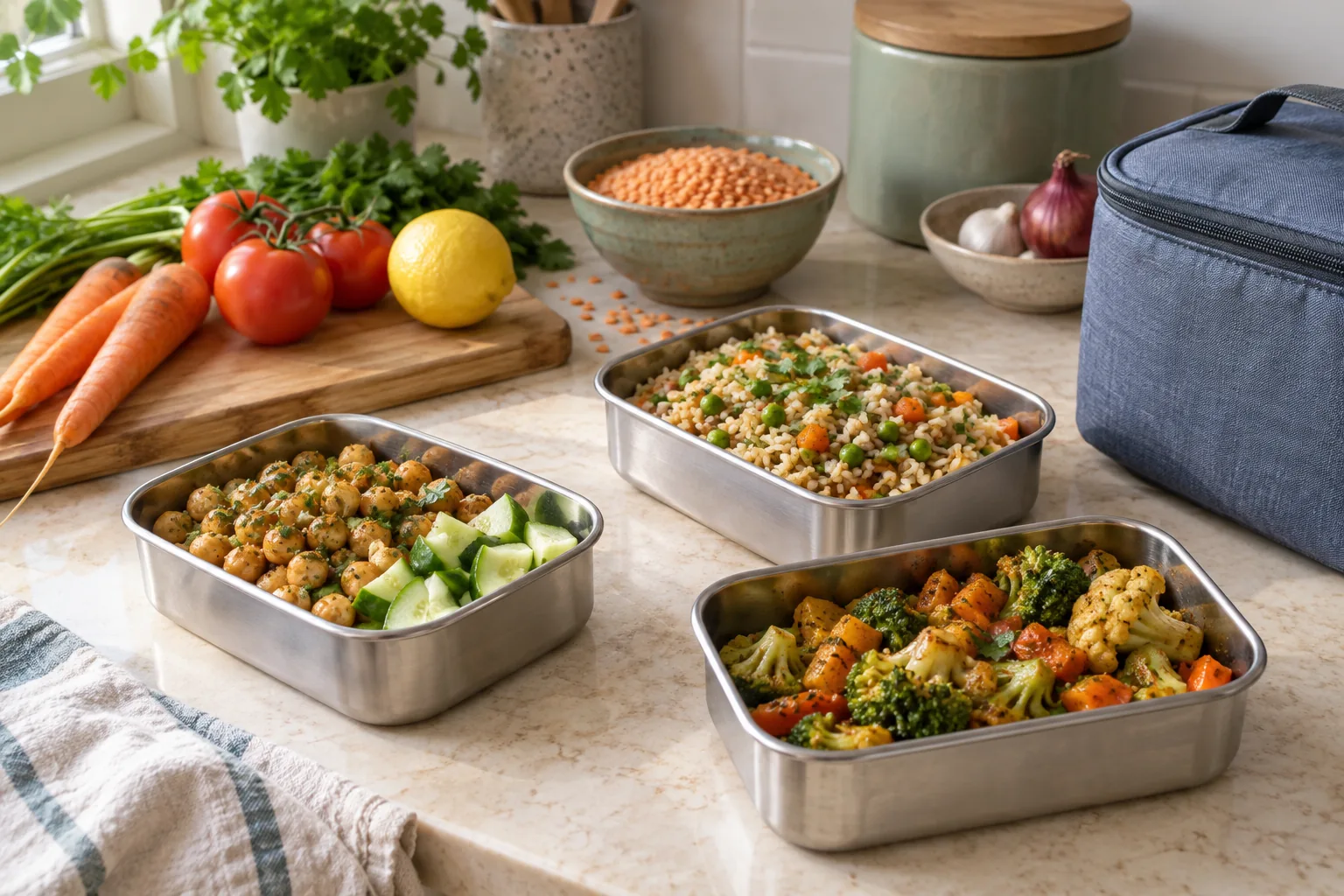
A seven-day menu can look excellent on Sunday and become irrelevant by Tuesday. Meetings move, someone eats out, and the dish that seemed easy suddenly needs an hour. A useful meal plan makes space for those changes from the beginning.
Plan the three meals most likely to go wrong
Look at the calendar and pick the pressure points. It might be Monday lunch, the evening you get home late, and the morning everyone leaves early. Plan those first. You can leave the more relaxed days open.
For each one, name a dish you can make without looking up a long recipe. Write down when you will buy the ingredients and who will cook. If both answers are unclear, the plan is probably asking too much of that day.
Use the shopping list to reduce decisions
Separate your list into pantry items, fresh ingredients and things already at home. Then cross-check it against the three meals you chose. A list of foods without meals attached can leave you with a full fridge and nothing obvious to cook.
Variety still matters. WHO includes pulses, whole grains, vegetables and fruit in its healthy-diet guidance. Use that as a broad reminder while shopping, and adapt choices to your needs rather than expecting one repeated lunch to cover everything.
Plan storage alongside cooking
Cooking ahead only helps when the food can be stored safely. FoodSafety.gov's cold-storage chart gives food-specific guidance and lists three to four days for many cooked leftovers in a refrigerator at 4°C or below. Check the category that matches your food instead of assuming every dish lasts the same time.
Put a preparation date on the container, keep the relevant storage guidance handy and plan smaller batches if your fridge space is limited. The lunch you take to work also needs a safe storage arrangement during travel and until you eat it.
Sources: FoodSafety.gov: cold food storage
Review what actually worked
At the end of the week, ask three questions: which meal was easy, what went unused, and where did the plan break down? Keep the easy meal. Buy less of the item you did not use. Give the difficult day a simpler option next time.
If you share cooking with an older family member, make the review a conversation. Ask which preparation step they would move to the evening before, or which dish is easiest to scale for another person. You get practical help and a reason to spend a little time together.
This general planning guide is part of our Simply Nutrition sponsor series. Visit @thesimplynutrition through the sponsor link to explore its Instagram profile. Specific programmes, qualifications and services should be confirmed directly with the account.