Food & nutrition
Balanced Indian meals that fit an ordinary weekday
Make everyday Indian meals easier to plan with familiar foods, practical lunch combinations and small changes you can repeat through a busy week.
Sponsor feature · Simply Nutrition supports Zoomer for Good.
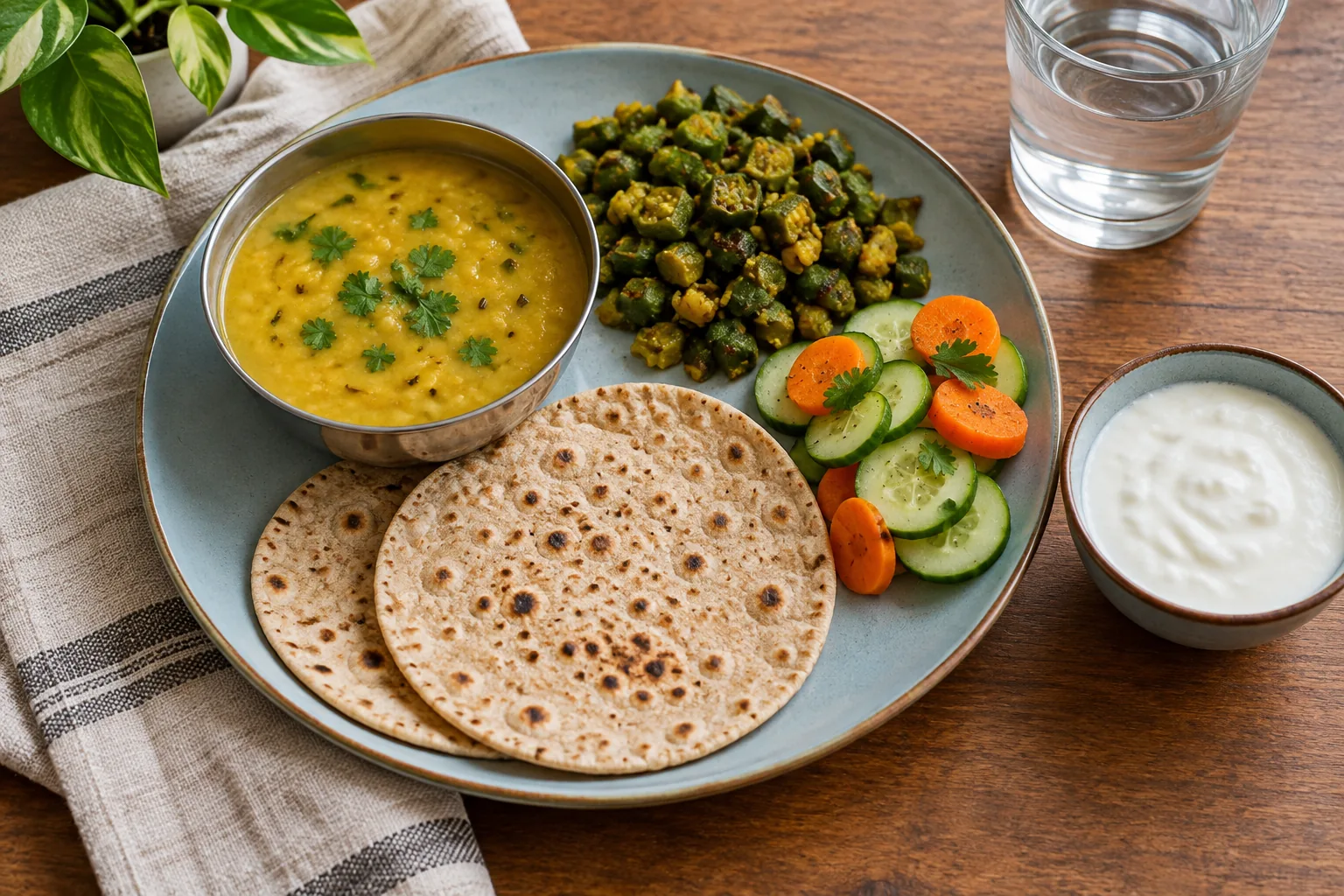
It is nearly lunchtime, there is some dal in the kitchen, and the question is what to put beside it. That ordinary moment is a useful place to start thinking about balanced Indian meals. You can work with the food you already cook and the time you actually have.
Start with the food already in your kitchen
The World Health Organization describes a healthy diet in terms of adequacy, balance, moderation and variety. It recognises that the details depend on the individual and the foods available locally. That leaves room for familiar meals and different household traditions.
Open the fridge before opening a shopping app. Make a short list of what needs using, what is ready to cook and what would take too long today. This turns a vague intention to eat better into a practical decision about the next meal.
Put together a meal you would want to eat again
For a meal-planning exercise, begin with a familiar grain or staple, add a protein food you enjoy, and make room for vegetables. WHO's guidance includes whole grains, pulses, fruit and vegetables among the foods that contribute to dietary variety. Individual portions and requirements will differ.
Here are some combinations to adapt to your appetite, preferences and dietary needs. They are meal ideas, not measured diet plans.
- Roti, dal and a seasonal vegetable dish, with a fresh side you enjoy.
- Rice with rajma or chana, plus cooked vegetables.
- Idli with vegetable sambar, followed by fruit if that suits your meal.
- A roti wrap with a suitable paneer, tofu or egg filling and vegetables.
Make one decision before the busiest part of the day
Choose tomorrow's lunch while clearing up tonight. You might set aside ingredients, decide which vegetable to cook or write down what needs buying. Avoid planning a dish that depends on three ingredients you do not have.
For a shared kitchen, agree on the main meal first and let people adjust the sides. One person can add curd, another can choose a different vegetable, and someone else may need a separate option for an allergy. A small amount of coordination saves several last-minute decisions.
Shop for a few useful combinations
Instead of buying an unfamiliar ingredient for every recipe, choose foods that have more than one place in your week. A vegetable you enjoy in sabzi might also work in a wrap. A pulse you already cook could appear in a curry one day and a freshly assembled chaat another.
Write the intended meal beside each perishable item on your list. If you cannot think of when you will use it, leave it for another shop. This keeps your plan tied to real meals rather than an ideal version of the week.
Use a family meal as a chance to listen
Ask someone older in your family which weekday meals they relied on when time or money was tight. You might get a practical recipe, a useful substitution or a story that has nothing to do with food by the end. Try cooking one dish together if they would enjoy that.
This article is part of our Simply Nutrition sponsor series. You can find the sponsor through the supplied Instagram profile, @thesimplynutrition. The meal ideas here are general editorial suggestions; they are not a Simply Nutrition consultation or an individual plan.
For a medical condition, food allergy or individual nutrition needs, ask a qualified dietitian or clinician to help adapt your meals.