Everyday skincare
Considering Aviyars for pigmentation? Start here
A practical guide to Aviyars Pigmentation Control Cream: reading the ingredient list, planning sun protection and setting sensible skincare expectations.
Sponsor feature · Aviyars supports Zoomer for Good.
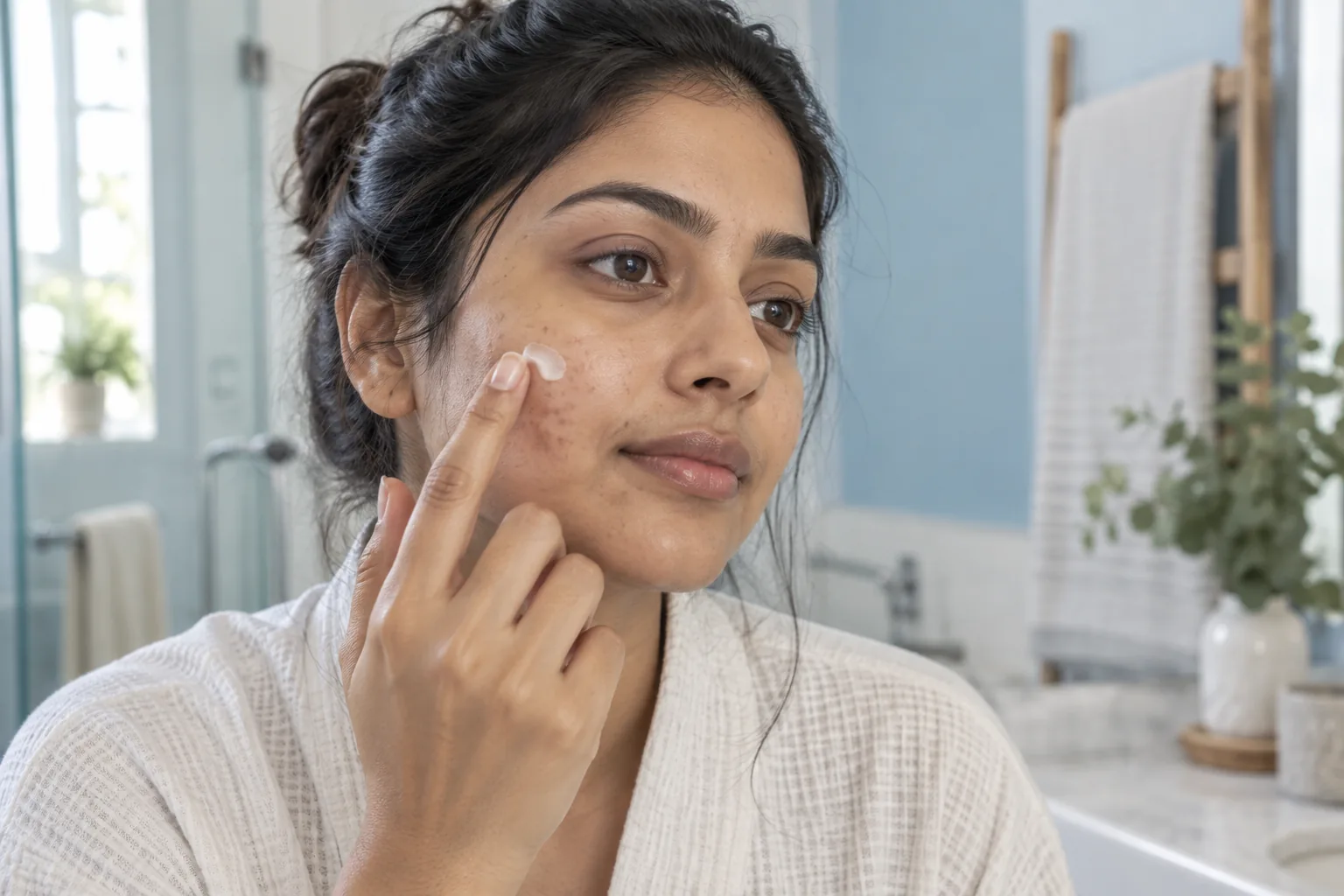
A dark mark can hang around long after the spot that caused it. It is tempting to buy the first cream with pigmentation on the label, especially when every product page seems to promise a quicker answer. A few checks before buying can make that decision much clearer.
Be clear about the mark you want to address
The American Academy of Dermatology explains that dark spots can follow acne, injury or irritation, among other causes. The cause matters when choosing care. If you are unsure what a patch is, a dermatologist can help identify it before you build a routine around it.
Make a short note of what you have noticed and what you currently use. For example: marks after breakouts on the cheeks; cleanser, moisturiser and sunscreen already in the routine. This gives a consultation or product enquiry something concrete to work with.
What the Aviyars product page lists
Aviyars lists niacinamide and alpha hydroxy acids in its Pigmentation Control Cream. Its published ingredient list includes glycolic acid, lactic acid, botanical extracts and fragrance. Read the complete list on the product page and check the packaging for the formula you receive.
An ingredient name alone does not establish how a finished formula will behave on your skin. If you are already using a treatment, send the complete list to your dermatologist and ask whether the new product fits alongside it. Avoid guessing from the headline on the pack.
Plan sun protection before adding another cream
The AAD puts sunscreen at the centre of dark-spot care. For pigmentation, it discusses tinted sunscreen containing iron oxide, together with broad-spectrum protection, SPF 30 or higher and water resistance. Shade and a hat also matter outdoors.
Think about your actual day: the commute, an outdoor lunch, a walk after college. Keep your chosen sunscreen somewhere you will remember it, and follow its application and reapplication directions. A cream purchase is easier to fit into a routine when the everyday steps already have a place.
Make one considered change
The AAD recommends testing new skincare on a small area before wider use. Follow the product directions, and stop using it if it causes a reaction. A home test does not guarantee that you will never react, but it gives you a chance to notice a problem before applying a product across your face.
Keep a simple record of when you started, what else you used and how your skin felt. Changing several things in the same week makes that record much harder to interpret. You do not need a spreadsheet; a few dated notes on your phone will do.
Sources: American Academy of Dermatology: testing new products
Questions worth asking before checkout
Take progress photographs only if you find them useful, keeping the lighting and camera position similar. Daily comparisons under different light can be misleading. Give your questions and observations to a dermatologist if the concern persists, rather than repeatedly replacing one product with another.
- Does the current ingredient list include anything I have reacted to before?
- Are the directions clear for this specific product?
- Have I checked compatibility with any prescribed skincare?
- Do I have a sunscreen I can use consistently?
- Am I judging the product by relevant information rather than a promised deadline?
General skincare information, not a diagnosis or an individual treatment plan. This article is not a product trial or a guarantee of results.